
Project Finance
Project Finance is the long-term financing of infrastructure and industrial projects based upon the projected cash flows of the project itself, rather than the balance sheets of its sponsors. A typical structure involves multiple equity investors and a syndicate of banks.
At Prominent Finance & Investment Ltd., we specialize in structuring non-recourse and limited-recourse financial solutions — ensuring the debt is serviced entirely by revenue generated once your project becomes operational.
Discuss Your Project →
Focus Areas
Target Sectors
Energy & Power
Financing power generation plants, renewable energy projects, and electricity distribution networks.
Heavy Industries
Establishing massive manufacturing hubs, cement factories, and steel mills from the ground up.
Infrastructure
Funding the construction of toll roads, bridges, ports, and large-scale public-private partnerships (PPP).
Telecommunications
Capital investment for expanding fiber optic networks, cell towers, and communication grids.
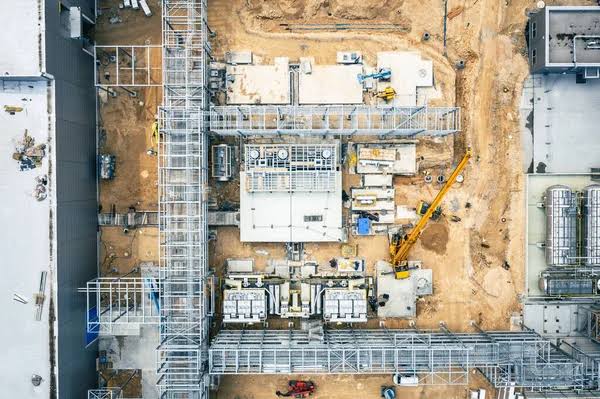
The project pays for itself — not your balance sheet.
In corporate lending, your existing assets guarantee the loan. In project finance, the loan is repaid from one source only: the cash the project itself generates once commissioned.
This is how ports, power plants, and toll roads get built without bankrupting their promoters — and how a well-structured SPV can survive even a sponsor's own distress.
Recourse vs Non-Recourse
Where does the lender turn if the project underperforms?
Full Recourse
Sponsor guarantees the entire debt. Cheapest coupon but the parent company carries every rupee of risk on its own books.
Limited Recourse
Sponsor stands behind specific risks only — cost overruns, pre-completion delays. Post-commissioning, the project stands alone.
Non-Recourse
Only the SPV's cash flows and assets are pledged. Highest lender risk, tightest covenants, and the true gold standard of project finance.
Where Project Finance Fits Best

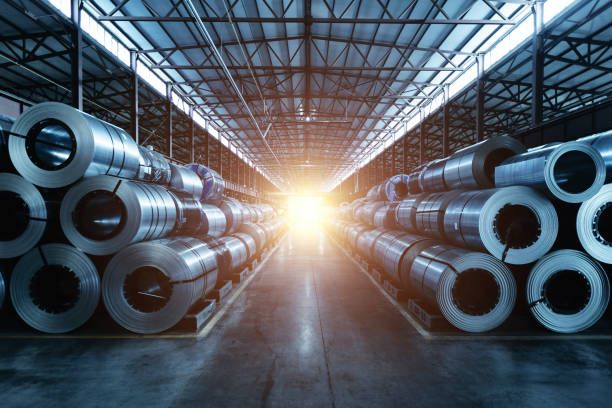


A Ring-Fenced Company Built For One Job
The Special Purpose Vehicle is a fresh legal entity created solely to own, build, and operate this one project. It has no other business, no legacy debt, and no distracting risks.
Six Risks — Six Owners
A good project finance deal doesn't eliminate risk; it puts each risk on the party best able to manage it.
Construction Risk
Cost overrun & delay — carried by the EPC contractor under a fixed-price turnkey contract with LDs.
Operational Risk
Plant availability and efficiency — locked into a long-term O&M contract with performance bonuses.
Market Risk
Volume and price of output — hedged through a take-or-pay PPA or offtake agreement.
Supply Risk
Feedstock and fuel — mitigated by long-dated fuel supply agreements with pass-through pricing.
Regulatory Risk
Licences, tariffs, environmental — sponsor-managed with government support letters where possible.
Force Majeure
Political and natural events — covered by insurance and drawn-down debt service reserves.
From Concept To Commissioning
Concept
Sponsor identifies opportunity, commissions pre-feasibility report and initial financial model.
Bankable Study
Independent technical, market and environmental due diligence — the document lenders live and die by.
Term Sheet
Debt : equity ratio agreed, tenor set, coupon and covenants negotiated with lead arrangers.
Financial Close
All contracts signed simultaneously — EPC, O&M, PPA, loan and shareholder agreements interlock.
Construction
Debt drawn in tranches against certified milestones; interest capitalised until commissioning.
Operations
Revenue flows through escrow, waterfall pays operating cost first, then debt service, then equity.
The Ratios Lenders Actually Read
Balance-sheet strength is irrelevant here. Lenders underwrite three cash-flow ratios, and if your model doesn't clear them, no relationship closes the deal.

The Six Contracts That Hold It Together
EPC Contract
Fixed-price, date-certain turnkey build — the anchor of construction risk transfer.
O&M Agreement
Long-term operations and maintenance with a specialist operator on performance KPIs.
PPA / Offtake
Guaranteed buyer for output at agreed price and volume — the cash-flow spine.
Fuel Supply
Long-dated supply agreement with pass-through mechanism into the offtake tariff.
Concession
Grants right to build and operate on public land or in a regulated sector, for a fixed term.
Common Terms
Master lender document harmonising covenants, security, and inter-creditor rights.

Six Things Before You Call Us
- ✓Land acquired or long-lease in place with clear title
- ✓All regulatory NOCs and environmental clearances identified
- ✓EPC contractor shortlisted with indicative pricing on the table
- ✓Offtake or anchor tenant discussions past MoU stage
- ✓Sponsor equity of at least 25–30% ring-fenced and liquid
- ✓Independent feasibility study by a lender-acceptable consultant